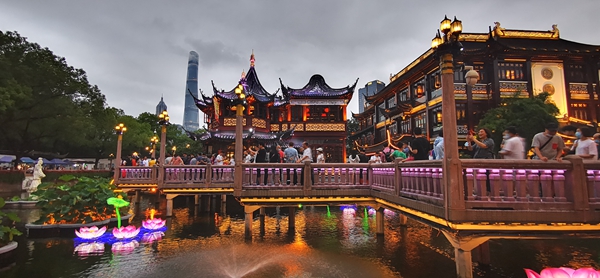
Yu Garden
Overview
Yu Garden, a celebrated classical garden located in the heart of Shanghai, spans an area of over two hectares. Its establishment dates back to the Ming Dynasty (1368-1644) by a government official named Pan Yunduan as a sanctuary for his aging father. Over the centuries, the garden has undergone numerous restorations, transforming it into a cultural gem that epitomizes traditional Chinese horticulture and architecture. Today, it is a prominent tourist destination and a proud emblem of Shanghai's historical heritage.
Historical Significance
Yu Garden's significance lies in its intricate design and historical roots. The garden was conceived as a private retreat for Pan's father but eventually became a public site, reflective of classical Chinese garden aesthetics. Its layout showcases the essential elements of traditional Chinese gardening: pavilions, corridors, bridges and rockeries artistically arranged to embody harmony and balance. The garden's name, "Yu", translates to happiness and satisfaction, symbolizing its intended purpose as a place of peace and contentment.
Architectural Features
Yu Garden is renowned for its exquisite architectural features, which capture the essence of classical Chinese design. The rockery offers panoramic views of the garden and is a testament to the artistry of Ming Dynasty gardening techniques. Another notable feature is the Exquisite Jade Rock, a porous limestone formation believed to be one of the three famous rocks in the Jiangnan region.
The garden is partitioned into six main scenic areas, each with its unique theme and design. These areas are interconnected by winding corridors and intricate pathways that guide visitors through a seamless journey of discovery.
Cultural and Modern Integration
Yu Garden not only preserves classical elements but also integrates modern cultural experiences. The Operatic Garden at Sea, named by Wang Daohan, offers a distinctive modern cultural ambiance against the backdrop of the traditional garden. This venue combines antique and elegant design principles, featuring traditional architecture intertwined with modern artistic conceptions, making it a cultural hotspot for exploring Chinese operatic art.
In recent years, Yu Garden has seen an influx of innovative initiatives aimed at attracting younger visitors. The introduction of pop-up markets, cultural performances and fashion-forward retail spaces has revitalized the garden's appeal. The integration of modern design elements, such as those seen in the Swatch concept store, complements the historical architecture, blending tradition with contemporary creativity.
Gastronomic Heritage
Yu Garden is home to the renowned Nanxiang Mantou Dian, known for its iconic soup dumplings or xiaolongbao. Established over a century ago, the restaurant underwent significant renovations to offer a refreshed dining experience while preserving its culinary legacy. The menu now features a diverse range of Shanghai home-style appetizers and desserts, alongside its signature dumplings.
Lubolang, another esteemed dining venue within Yu Garden, has reinvented its interiors and menu to cater to a younger demographic. The restaurant, steeped in history, has blended minimalist modern design with traditional Qianlong architecture, offering a fusion of flavors that marry traditional Chinese and Western cuisines. Article reference1. Iconic tourist hotspot given an injection of youth. chinadaily.com.cn. 20202. When lanterns light up Shanghai. chinadaily.com.cn. 20193. A major facelift for an iconic eatery. chinadaily.com.cn. 2018Photo Gallery(8 pictures)CategoriesTourismTagCity TourismCatalogue1. Overview2. Historical Significance3. Architectural Features4. Cultural and Modern Integration5. Gastronomic Heritage- - - []








